Emotional
Awareness
Help children name their feelings, understand what triggers them, and express emotions in healthier ways.

We help children understand and express their emotions, build healthy coping skills, improve emotional regulation, and grow their confidence at home, at school, and in their relationships with others.
Child therapy gives children a safe, welcoming space to be themselves while learning what they are feeling, why those feelings show up, and how to process and express them in healthier ways. Depending on the child’s age and needs, sessions may include conversation, play, creative activities, movement, and practical exercises that make difficult emotions easier to understand.
At Talk to Wes, we look beyond behavior alone. We explore what may be happening underneath it — emotions, stress, relationships, experiences at home or school, and how a child’s nervous system responds when they feel overwhelmed, frustrated, anxious, or upset. This helps us better understand what the child may be communicating through their behavior and what kind of support they need.
Explore our offices and meet the therapists in Lombard and Rolling Meadows.
Help children name their feelings, understand what triggers them, and express emotions in healthier ways.
Practice simple tools for managing worry, frustration, sadness, and other strong emotions.
Build a stronger sense of self and recognize personal strengths, progress, and resilience.
Work with parents/caregivers and, when appropriate, schools to create consistent support around the child.
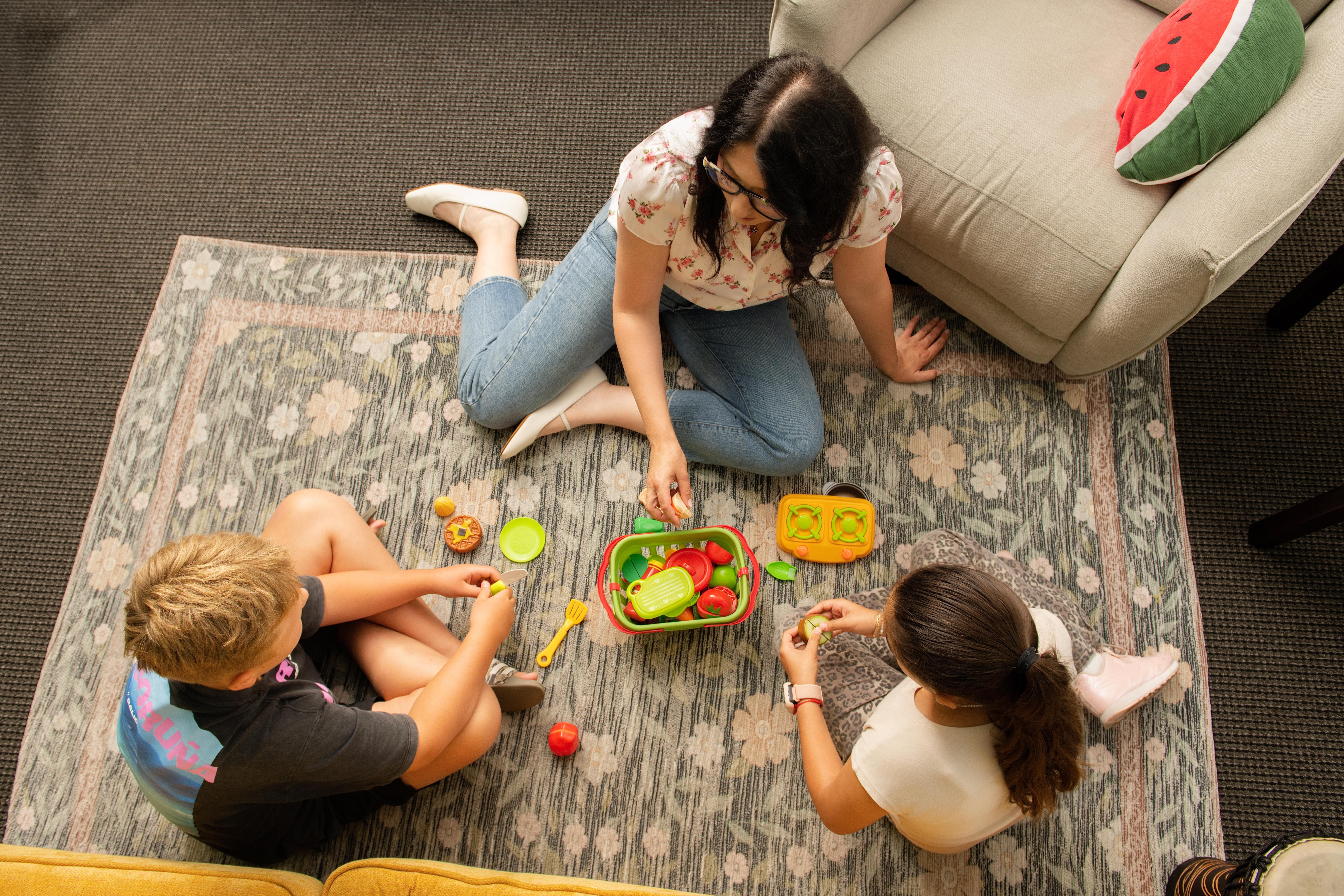
Therapy helps children understand and regulate emotions, communicate their needs, build confidence, and develop healthy coping skills for everyday challenges. We teach children to recognize what they feel and process emotions in healthier ways.
We also encourage parents and caregivers to be part of the therapeutic process through sessions or regular communication with the therapist. Working together helps us better understand the child and gives caregivers practical ways to support them at home.
Our approach is individualized to each child’s personality, strengths, needs, behaviors, and nervous system responses. We meet children where they are, helping them feel safe being themselves while building skills and confidence to grow.
Child therapy is counseling adapted to a child’s age and development. It helps children explore feelings, practice coping skills, and work through challenges in a safe and supportive setting.
Every child goes through difficult moments, but sometimes they need a little extra support. Therapy may be helpful if you notice ongoing changes in your child’s mood, behavior, sleep, school, relationships, or the way they interact with family and others.
If your child seems more worried, sad, angry, withdrawn, overwhelmed, or is having difficulty coping with everyday situations, therapy can provide a safe space for them to express their feelings, build healthy coping skills, and feel supported.
You don’t need to have all the answers before reaching out. If you’re concerned about your child or simply feel that something has changed, talking with a therapist can be a helpful first step.
Child therapy looks different for every child. Sessions are designed to feel safe, comfortable, and age-appropriate while giving children space to express themselves and work through challenges.
Depending on the child’s age and needs, a session may include talking, play, art, games, stories, or other creative activities. Therapists may also help children learn practical skills for managing emotions, handling stress, communicating their needs, and navigating everyday challenges.
The goal is to meet each child where they are and create a space where they feel heard, understood, and supported.
Yes. At our practice, we believe in supporting the whole family, not just one person. Parents and caregivers are encouraged to be involved in their child’s therapy when appropriate, and family sessions may be offered when they can support the child’s progress and overall well-being.
Parents and caregivers are also welcome to reach out to the therapist by text message to schedule additional time to talk about their child’s therapy. This gives families an opportunity to ask questions, share concerns, and work together with the therapist to better support their child at home.
Our goal is to create a supportive partnership with the entire family and help everyone feel heard, supported, and involved in the process.
The length of a child’s therapy session depends on their age, developmental level, needs, and ability to stay engaged.
For younger children, ages 3–6, sessions may be shorter, typically around 15–30 minutes, especially when a child is not yet able to comfortably sustain a longer session. The therapist will determine the most appropriate session length based on the child’s attention, comfort, and engagement.
For older children, sessions are typically 45–50 minutes and may take place in person or online, depending on the child’s needs and the services being provided. The frequency and overall length of therapy will also depend on the child’s individual needs, treatment goals, and progress.
Yes. We respect each child’s privacy and provide a safe space for them to share their thoughts and feelings. Therapists may also share general guidance with parents or caregivers about how they can best support their child based on the child’s therapy and needs.
However, confidentiality may be broken if a child is at risk of harming themselves or others, or if there is a serious safety concern. In these situations, the therapist will involve the parent or caregiver to help keep the child safe.
Every child is different, and there is no set number of sessions. Meaningful, lasting change takes time. Building trust and a strong therapeutic relationship with your child also takes time, and progress may not happen after just a few sessions.
Your child’s therapist will work with you to set goals, monitor progress, and determine the appropriate length and frequency of therapy based on your child’s individual needs.
Therapy sessions are typically scheduled once a week. If a child needs additional support, sessions may be scheduled more frequently based on their individual needs and treatment goals.









Our therapists have diverse specialties and share a mission to support you with care throughout your healing journey and struggles.

Clinical Director, Psychotherapist & Founder
Works with kids, teens, adults & groups.
Online & in person
Location: Lombard & Rolling Meadows

Counselor, Therapist
Works with kids, teens, adults & family
Online & in person
Location: Lombard

Counselor, Therapist
Works with kids, teens, adults & family
Online & in person
Location: Lombard

Social Worker, Therapist
Works with kids, teens, adults & family
Online & in person
Location: Rolling Meadows

Psychotherapist
Works with teens, adults & families
Online & in person
Location: Rolling Meadows
Social Worker, Psychotherapist, Supervisor
Works with adults and family
Online & in person
Location: Lombard & Rolling Meadows

Therapist
Works with kids, teens & adults
Online & in person
Location: Lombard & Rolling Meadows
Guidance for teens facing academic pressure, identity development, relationships, and mental health.

Support for anxiety, stress, relationships, life transitions, and personal growth.

Helping partners improve communication, rebuild trust, and strengthen their relationship.

Helping families improve communication, understanding, and connection across generations.

Shared support in a structured setting where members can connect, learn, and grow together.
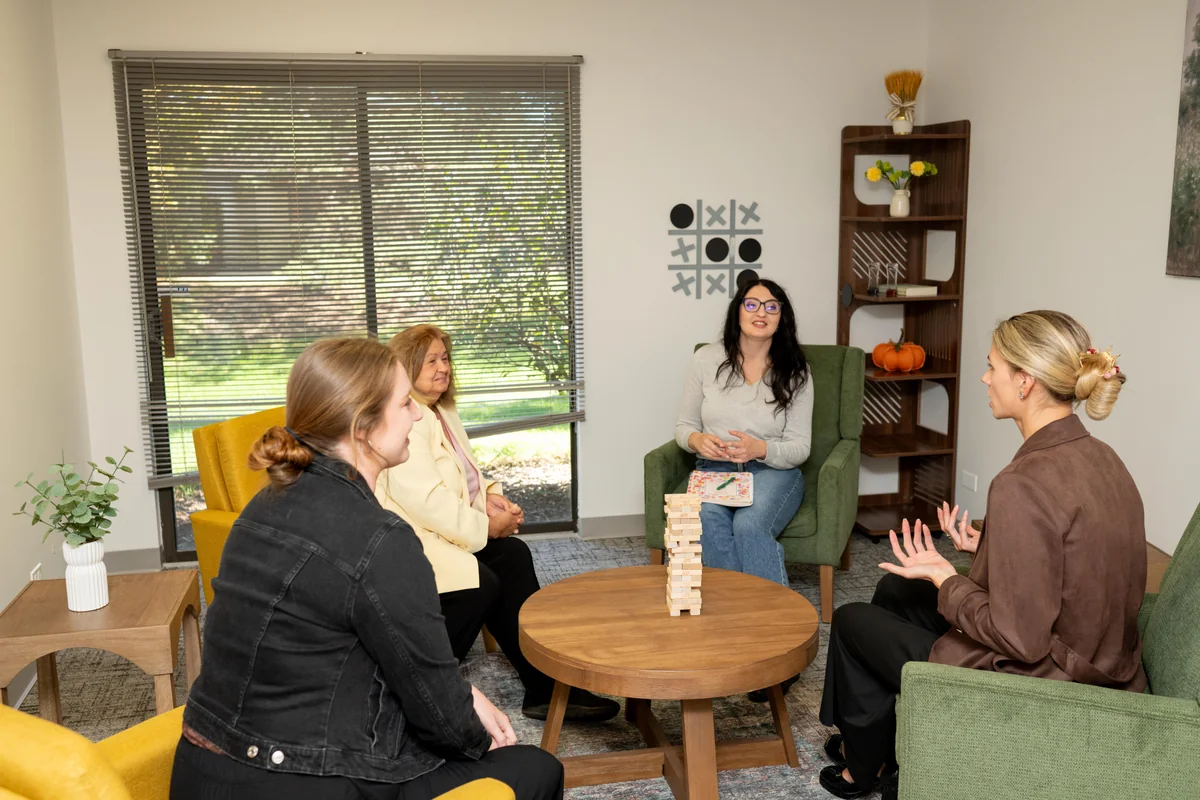
Flexible, secure video sessions that bring compassionate therapy to you wherever you are.